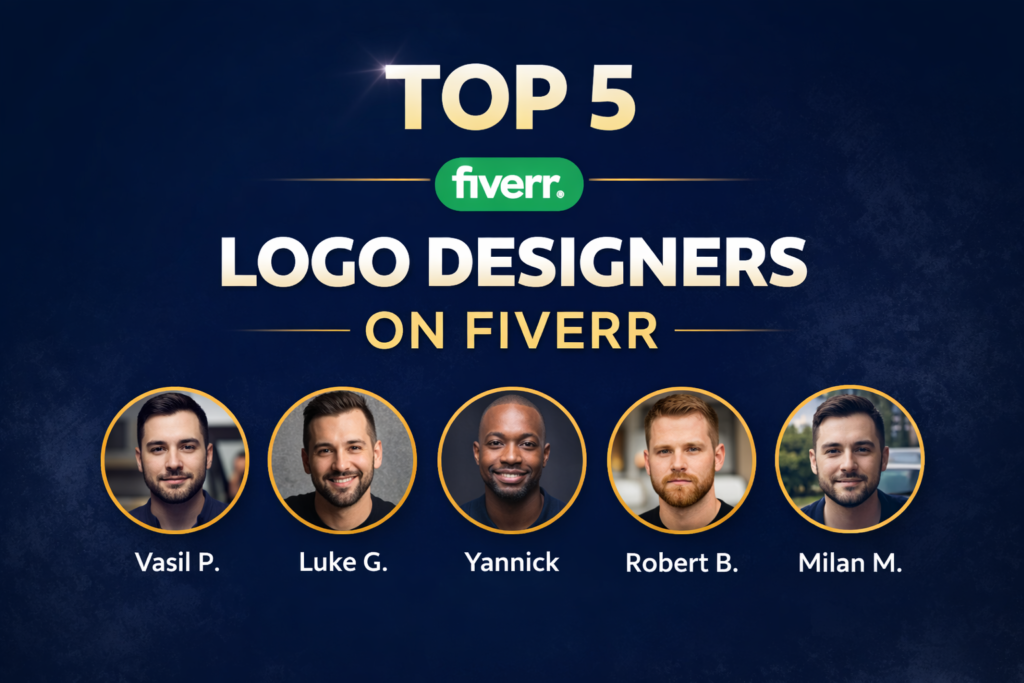
Developing a powerful identity is the fastest way to stand out in a crowded market, which is why following a comprehensive branding checklist for small business success is non-negotiable for entrepreneurs. When you have a clear roadmap, you stop guessing and start building a visual and emotional connection with your audience that lasts for years.
If you’re starting or growing a company, having a clear branding checklist for small business is not optional anymore. It’s the difference between looking professional and looking forgettable. Most small businesses fail not because their products are bad, but because their branding looks inconsistent, confusing, or amateur.
Think about it for a second. When customers discover your business for the first time, they don’t see your hard work or passion. They see your logo, your colors, your website, your tone, and your message. Within seconds, they decide whether they trust you or not. That’s exactly why following a structured branding checklist for small business helps you build credibility fast, stand out from competitors, and attract higher-paying customers without spending thousands on agencies.
In this guide, you’ll learn exactly how to create a professional brand from scratch using four simple steps. By the end, you’ll have a clear plan to build a strong identity that looks polished, consistent, and memorable across every platform.
The Foundation of Your Professional Visual Identity
To begin your journey, you must understand that your appearance is the silent ambassador of your company. Many people think they just need a graphic, but a true branding checklist for small business involves much more. It starts with your “why”—the reason you get out of bed every morning to serve your customers. If you don’t define your mission early, your visuals will feel hollow and disconnected from your goals.
Consider the atmosphere you want to create. Are you a high-energy tech firm or a calm, reliable consultancy? This decision influences every other step in your branding checklist for small business. You should spend significant time researching your competitors. Look at what they are doing well and where they are failing. By finding the “white space” in your market, you can position your brand persona as the only logical choice for your target demographic
Build Your Brand Foundation Before Designing Anything
Before you even think about logos, fonts, or colors, you need clarity. One of the biggest mistakes entrepreneurs make is jumping straight into design tools or hiring designers without understanding what their brand actually stands for. Design without strategy creates confusion, and confused customers don’t buy.
A proper branding checklist for small business always starts with strategy because strategy drives every visual decision that comes later. If you skip this step, you’ll constantly rebrand, redesign, and waste money.
Start by defining your mission. Why does your business exist beyond making money? Customers connect emotionally with purpose. If you sell handmade soaps, maybe your mission is creating safe products for sensitive skin. If you run a design service, maybe it’s helping startups look professional from day one. Your mission should be simple, clear, and easy to explain in one sentence.
Next, identify your target audience. This is extremely important. Many small business owners say “everyone is my customer,” but that never works. The more specific you are, the stronger your brand becomes. Are you targeting busy moms, tech startups, students, or local businesses? Each group speaks differently and expects different visuals.
Then define your brand personality. Imagine your business as a person. Is it friendly and casual, or formal and professional? Is it playful or serious? Your personality will guide how you write emails, social posts, and website copy. Consistency here builds trust.
You should also write a value proposition. This clearly explains why customers should choose you instead of competitors. Don’t say “high quality.” Everyone says that. Be specific. Faster delivery, personalized service, or affordable packages are stronger messages.
Finally, create a simple brand message framework. Outline your tagline, your elevator pitch, and three to five core benefits you want people to remember. These pieces will appear everywhere later, from your website to your social media bios.
When you finish this foundational stage, you’ll notice something powerful. Design becomes easier. You’re not guessing anymore. You’re making intentional choices that match your strategy.
Learn how to hire the right designer here
Crafting a Brand Persona That Connects
Once the foundation is set, you move into the personality of your business. A vital part of any branding checklist for small business is determining your brand voice. How do you speak to your clients? If your tone is too formal, you might alienate a younger audience; if it’s too casual, you might lose the trust of corporate clients. Consistency here is key. You want your audience to recognize your “voice” whether they are reading an email, a social media post, or an article on your blog.
This is where you define your Unique Selling Proposition (USP). What is the one thing you do better than anyone else? Incorporating your USP into your branding checklist for small business ensures that your marketing materials always highlight your competitive edge. You aren’t just selling a product; you are selling a solution to a specific problem that only you can solve in your unique way
Establishing Your Corporate Aesthetics
Now we reach the visual stage. This is the part of the branding checklist for small business that most people find exciting. You need a color palette that triggers the right psychological response. For example, blue often represents trust and stability, while orange can represent creativity and friendliness. Choosing these colors is not about what you personally like, but what your audience needs to feel when they see your brand.
Typography is equally important. The fonts you choose convey a message before the reader even processes the words. A serif font might suggest tradition and reliability, whereas a sans-serif font feels modern and streamlined. As you work through your branding checklist for small business, ensure that these visual elements are documented in a “Brand Style Guide.” This guide will be your reference for every piece of content you create moving forward, ensuring that you never deviate from the professional look you’ve worked so hard to establish.
Optimizing Your Digital Presence
Your online footprint is often the first place a customer interacts with you. Therefore, an essential step in your branding checklist for small business is auditing your digital presence. Every profile, from LinkedIn to TikTok, should use the same high-resolution imagery and messaging. If a customer sees a professional profile on one platform and a messy, outdated one on another, you immediately lose credibility.
For those focusing on organic growth, your branding checklist for small business must include SEO-optimized content. This means creating articles and posts that answer the specific questions your customers are asking. By providing value for free, you position yourself as an authority in your niche. [INSERT INTERNAL LINK TO PREVIOUS SEO ARTICLE] This strategy not only drives traffic but also reinforces your brand persona as a helpful and knowledgeable leader in your industry.
FAQ: Mastering Your Brand Strategy
What is the most important part of a branding checklist for small business? The most critical part is consistency. Even the most beautiful visuals will fail if they are not applied uniformly across all your platforms. Your audience needs to see the same colors, fonts, and messaging every time they encounter your business to build lasting trust.
How long does it take to see results from a new brand identity? Branding is a long-term play. While you might see an immediate boost in professional perception, true brand equity usually takes 6 to 12 months of consistent presence to fully take hold in the minds of your consumers.
Do I need a big budget for a branding checklist for small business? Not necessarily. Many small bloggers and entrepreneurs start with high-quality, affordable tools to build their initial look. The key is to have a clear plan and follow your checklist so you don’t waste money on things that don’t align with your goals.
Can I change my brand identity later? Yes, this is called “rebranding,” but it can be costly and confusing for your existing customers. It is much better to spend the time now on a solid branding checklist for small business to get it right the first time.
How does my brand affect my SEO? Search engines like Google prioritize “authority.” If your brand is mentioned across the web and people are searching for your specific name, it signals to search engines that you are a trusted entity, which can improve your overall rankings.
What are the common mistakes in a branding checklist for small business? The biggest mistakes are being too generic, copying competitors, and ignoring the target audience’s preferences. Your brand should be a reflection of your unique value, not a carbon copy of someone else’s success.
Conclusion
Building a company that resonates with people requires more than just luck; it requires a disciplined approach to how you present yourself to the world. By following this branding checklist for small business, you ensure that every touchpoint—from your social media headers to your email signature—works together to tell a story of professionalism and quality. Remember that your identity is an evolving asset. Regularly return to your branding checklist for small business to ensure your messaging remains relevant as your company grows and the market changes.
For more information on high-level business standards, you can visit the Small Business Administration (SBA) for official resources on growing your company.